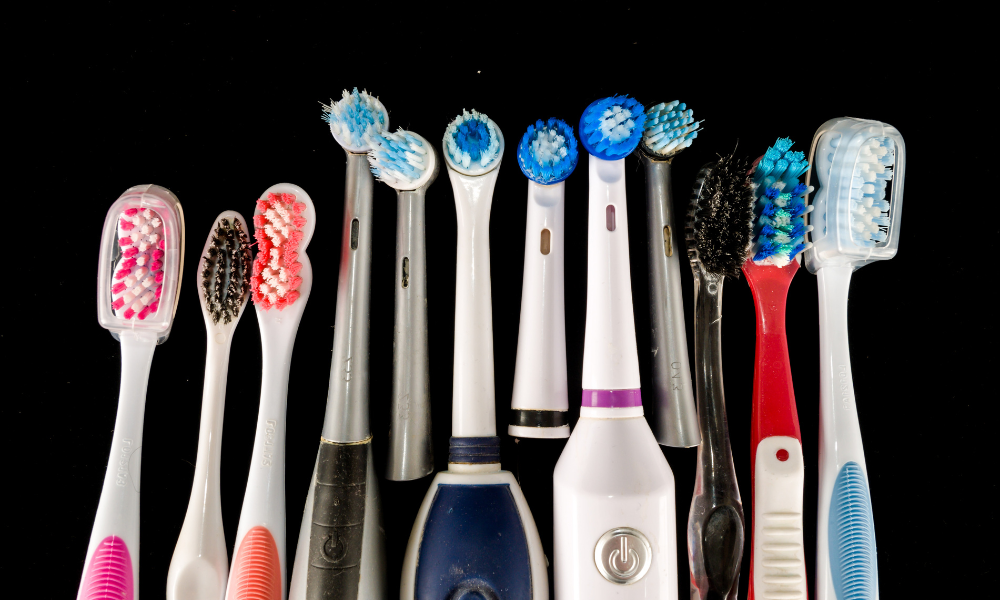
Types of toothbrushes include manual, electric, and specialized designs, each created for different oral health needs. At Vista Ridge Dental, patients are guided in choosing options that support daily oral hygiene and long-term care.
Using the correct toothbrush supports daily plaque removal and helps maintain long-term oral health.
The main types of toothbrushes include manual, electric, and specialty brushes designed for specific needs.
Primary types include:
Each type supports daily oral hygiene when used correctly.
Manual and electric toothbrushes can both clean teeth effectively when used with proper technique.
Manual toothbrush:
Electric toothbrush:
Example: Patients who struggle with brushing technique may benefit from electric toothbrushes for more consistent cleaning.
Soft bristles are generally recommended because they clean effectively while reducing irritation to gums.
Bristle types include:
Gentle brushing supports gum health and helps avoid enamel wear.
Specialty toothbrushes are designed for specific oral conditions or treatment needs.
Examples include:
Patients with gum concerns may benefit from tools that improve access between teeth and along the gumline.
Choosing the right toothbrush supports daily plaque removal and reduces the risk of common dental issues.
Routine care, combined with professional visits like preventative dentistry, helps maintain oral health and detect problems early.
Preventive services often include cleanings, exams, and early evaluation of dental conditions.
Patients with teeth grinding or jaw discomfort may need a gentler brushing approach and additional protection.
Recommended considerations include:
Teeth grinding (bruxism) can contribute to tooth wear and jaw discomfort, which may require evaluation and treatment.
If symptoms persist, you can explore TMJ treatment to address underlying causes.
Toothbrush type can influence how well you maintain the appearance of your teeth.
Proper brushing helps reduce surface stains and supports overall smile aesthetics.
For patients focused on improving appearance, services like cosmetic dentistry may be considered alongside good daily hygiene.
The best toothbrush depends on your oral health condition and daily habits.
Choose based on:
Consistency and technique are more important than the specific type.
Is an electric toothbrush better than manual?
Both can be effective; electric brushes may help improve consistency.
What bristle type should I use?
Soft bristles are commonly recommended for most people.
How often should I replace my toothbrush?
Every 3 to 4 months or sooner if worn.
Are specialty toothbrushes necessary?
They may help in specific situations like braces or gum concerns.
Understanding the types of toothbrushes helps you choose the right tool for your oral health routine. The right choice supports daily care and long-term maintenance.
If you want personalized recommendations based on your dental needs, you can schedule an appointment with Vista Ridge Dental to find the best option for your routine.
Information
Services